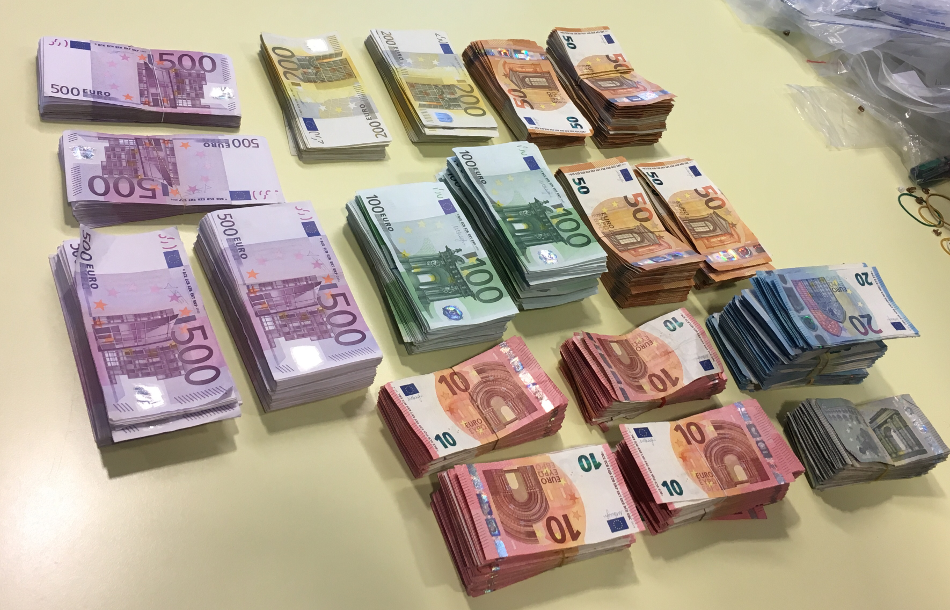
An Intermediate Guide To Order Counterfeit Money
The Dangers of Counterfeit Money: Understanding the Risks and Consequences In a progressively cashless society, using physical currency might seem outdated to some, yet counterfeit money stays a persistent concern that impacts people, services, and economies worldwide. The sophistication of existing counterfeiting techniques has only grown, making it vital for customers and entrepreneur to educate themselves about the threats, recognition approaches, and legal effects of counterfeit currency. This post checks out the intricacies of counterfeit money, details the actions one can take to secure versus it, and responses often asked concerns about this appropriate subject. Comprehending Counterfeit Money Counterfeit money describes currency that has actually been produced unlawfully with the intent to deceive. Counterfeiters use various approaches to duplicate banknotes and coins, often making use of premium printing innovation and elaborate styles that mimic real currency. While the primary motive behind producing counterfeit currency is monetary gain, the ramifications extend beyond simple theft; they can destabilize economies, drawback truthful services, and result in extreme legal effects for those included. The Impact of Counterfeit Money Economic Consequences: When counterfeiting becomes widespread, it can result in inflation, a decrease in currency worth, and general distrust in the country's monetary system. This mistrust can result in consumers holding onto their money or going with alternative types of transactions, which can further hurt the economy. Effect on Businesses: Businesses, particularly little ones, are typically struck hardest by counterfeit currency. Accepting fake notes can result in substantial financial losses and even bankruptcy. Furthermore, counterfeiting can harm a business's credibility; customers might be less willing to trust brands that come down with counterfeiting schemes. Legal Repercussions: Unwittingly accepting counterfeit money does not eliminate liability from people or services. The law generally needs that those who possess counterfeit currency must report it to authorities, as intentionally dealing in fake money can result in criminal charges. How to Recognize Counterfeit Money Acknowledging counterfeit money is necessary for securing oneself from monetary loss. Here are some efficient methods to recognize fake currency: Examine the Print Quality: Genuine currency has a particular texture, color, and print quality that can be tough to duplicate. Check banknotes for smearing or blurring, which may indicate counterfeiting. Try to find Watermarks: Most modern-day banknotes include watermarks that are challenging to duplicate. Hold the bill approximately the light to see if the watermark exists and clear. Check the Security Thread: Real banknotes have embedded security threads, generally noticeable when held up to the light. Counterfeit bills might do not have these features, or they may be improperly reproduced. Utilize a UV Light: Many currencies have aspects that fluoresce under ultraviolet light. Inspecting these features can assist in determining the credibility of a banknote. Feel the Texture: Authentic currency is printed on a particular kind of paper that feels different from regular paper. Rubbing your fingers over the costs can assist you identify its credibility. Tips to Protect Against Counterfeit Currency To decrease the risk of succumbing to counterfeit money, people and companies can implement the following steps: Inform Employees: Regular training sessions on how to detect counterfeit money can be helpful for employees, especially those in retail settings. Use Detection Tools: Invest in counterfeit detection devices such as UV lights, pen testers, or digital note validators that can accurately examine currency credibility. Preserve deutsche banknoten fälschen on Transactions: Encourage vigilant monitoring of cash deals and screens for prospective counterfeit notes. Legal Aspects of Counterfeit Money Engaging in the production, distribution, or use of counterfeit currency protests the law in essentially every country. Legal effects can include large fines and imprisonment. Federal government agencies, such as the U.S. Secret Service, actively investigate counterfeit money operations, and individuals found guilty of participation in counterfeiting might deal with serious charges. Frequently Asked Questions (FAQs). 1. Is it prohibited to unwittingly accept counterfeit money? Yes, while it might not be a criminal charge to accept counterfeit currency unsuspectingly, there is a commitment to report the counterfeit to authorities. Failure to do so can cause civil liabilities. 2. What should I do if I receive counterfeit money? If you believe you have gotten counterfeit money, do not try to invest it. Instead, report the incident to local law enforcement or your nation's monetary authority. Furthermore, document the information of the deal and where you received the currency. 3. Are there specific currencies that are more commonly counterfeited? Yes. The U.S. dollar is the most widely counterfeited currency globally, but other currencies like the euro, British pound, and Indian rupee have actually likewise been counterfeited thoroughly. 4. How can I ensure my company isn't accepting counterfeit money? Train your employees on acknowledging counterfeit notes, buy detection technology, and implement stringent cash-handling practices. 5. What can I do to spread awareness about counterfeiting? Sharing information through workshops, community boards, or social media platforms can inform others about the risks and prevention approaches associated with counterfeit currency. Conclusion. Counterfeit currency positions significant threats not just to specific customers but also to services and the economy as a whole. Comprehending how to recognize fake currency, recognizing the additional implications of counterfeiting, and taking proactive steps can decrease risks. Awareness and alertness can make a significant distinction as we continue to navigate a world where counterfeit money stays a risk to monetary integrity. By equipping themselves with understanding and tools to combat counterfeiting, individuals and services can protect themselves and add to a more safe and secure financial environment.